Area Guide · Marbella municipality
Marbella
The capital of the Costa del Sol — restaurants, beach clubs and year-round life.
The neighbourhood
What makes Marbella different.
Marbella is not the resort town that postcards suggest. It is a working Spanish city of roughly 150,000 permanent residents, with a genuine year-round economy built on healthcare, international education, gastronomy and, yes, real estate. The old town — the casco antiguo — retains its narrow whitewashed streets, its sixteenth-century orange tree plaza, and an atmosphere that owes more to Córdoba than to Saint-Tropez. Walk three blocks east and you are in Marbella East, where family villas line leafy streets within five minutes of Swans International School and the Quirónsalud hospital. Walk west and you reach the start of the Golden Mile, where the price ceiling lifts and the density drops. Marbella proper is the anchor that holds the rest of the coast together, and buyers who want life twelve months of the year — not just a summer rental — usually end up here first.
What sets Marbella apart from the satellite areas is the sheer density of everyday infrastructure. You can see a dentist, a notary, a tax adviser and a paediatrician before lunch without getting in the car. The covered market on Avenida del Mercado has been selling Andalusian produce since 1940 and sits five minutes from the international restaurants along Calle Ancha. The beach promenade runs unbroken from the Hotel Don Pepe to the Faro lighthouse, and the new Marbella East beach club strip has raised the waterfront dining standard to a level that rivals Ibiza. At the same time, the town hall is investing in infrastructure — the A-7 underground tunnel through San Pedro is complete, a new hospital wing opened in 2024, and the pedestrianisation of the old town core is pushing traffic out and café tables in.
Marbella attracts a genuinely international community. Scandinavians, British, Dutch, German and Middle Eastern buyers make up the majority of foreign purchasers, but there is also a growing Latin American contingent and an established Russian-speaking community. The social infrastructure reflects this: there are five major international school options within a twenty-minute drive, private medical care is available in English, German and Scandinavian languages, and the international church, mosque and synagogue all hold regular services. For families relocating permanently, Marbella offers something the satellite towns cannot — a sense of being in a real city, with all the friction and convenience that implies.
The nightlife and restaurant scene splits neatly between the old town, which leans Spanish and closes at a reasonable hour, and the Puerto Banús strip six kilometres west, which does not. Most full-time residents prefer the old town for dinner and the beach clubs for lunch, and stay well away from Banús in July and August. The February test is the one that matters: if you visit Marbella on a grey Tuesday in winter and still find enough open restaurants, enough people on the promenade and enough energy to make you want to stay, the town is right for you.
The market
Property in Marbella — what to expect.
The Marbella property market spans the widest price range on the coast. Entry-level apartments in Marbella East start from around seven hundred thousand euros, while family villas on the north side of the town climb through one to five million. The very top end — beachfront plots on the eastern fringe, or penthouse positions above the old town — can reach fifteen million and beyond. The dominant stock is mid-century townhouses and low-rise apartment blocks in the town core, with newer gated communities filling the hillsides to the north and east. New developments are concentrated along the eastern corridor towards Elviria and Cabopino, where land is still available and planning permissions are being granted.
Buyers should know that "Marbella" on a portal listing can mean anything from Marbella old town to a hillside urbanisation twenty minutes inland. Always insist on the exact zone and the driving time to the sea. In our book, Marbella proper refers to the old town, Marbella East (up to the Río Real), and the northern hillside up to the A-7. Everything west of the Hotel Puente Romano falls under the Golden Mile or Puerto Banús. Everything north of the A-7 past the La Cañada shopping centre is technically Marbella municipality but is a very different proposition in terms of lifestyle, access and resale. We draw these distinctions because Google search results do not, and buying in the wrong micro-zone is the single most expensive mistake a first-time Costa del Sol buyer can make.
Daily life
Living in Marbella.
Day-to-day life in Marbella revolves around the paseo — the promenade. Morning coffee on the beachfront, a walk along the Faro breakwater, the farmers market on Saturday, lunch in the old town. Schools start at nine, the school run is manageable if you live within the central zone, and the after-school padel and tennis clubs keep children busy until seven. Healthcare is split between the public Hospital Costa del Sol in Mijas Costa (twenty minutes east) and the private Quirónsalud Marbella, where wait times are short and most consultants speak English. Groceries are thirty to forty per cent cheaper than London for equivalent quality, with Mercadona, Lidl and the covered market covering everyday needs and specialist delicatessens on Calle Ancha handling everything else.
The honest downsides: summer traffic on the A-7 between Marbella and Puerto Banús can be brutal from June to September. Street parking in the old town is near-impossible and underground garages charge by the hour. Construction noise is a constant companion in the growth corridors east and north. And while the restaurant scene has improved enormously, Marbella is still not Barcelona or Madrid — the cultural calendar is thinner, the museum offering is modest, and the language barrier outside the tourist zones is real. None of this stops people from moving here, but it is better to know before you arrive than to discover it after you sign.
Investment
Marbella as an investment.
Marbella property has delivered compound capital appreciation of roughly four to six per cent per annum over the past decade, with the post-pandemic period pushing that figure higher. Rental yields for well-located apartments range from four to seven per cent gross, with penthouses and beachfront units at the top of the band. The tourist rental licence (VFT) is mandatory for short-term lets and takes three to six months to obtain in Andalucía. Long-term rental demand is also strong, driven by the international school community and relocating professionals.
The key investment risk in Marbella is overpaying for the wrong micro-zone. A two-bedroom apartment in a dated complex north of the A-7 will not appreciate at the same rate as a renovated unit in the old town or a modern development in Marbella East. We benchmark every listing against comparable recent transactions — not asking prices, not portal estimates, actual notary completions — and we will tell you honestly when a property is overpriced. The days of speculative flipping on the Costa del Sol are over; what remains is a solid, yield-bearing market for buyers who do their homework.
16 properties in Marbella
Available now
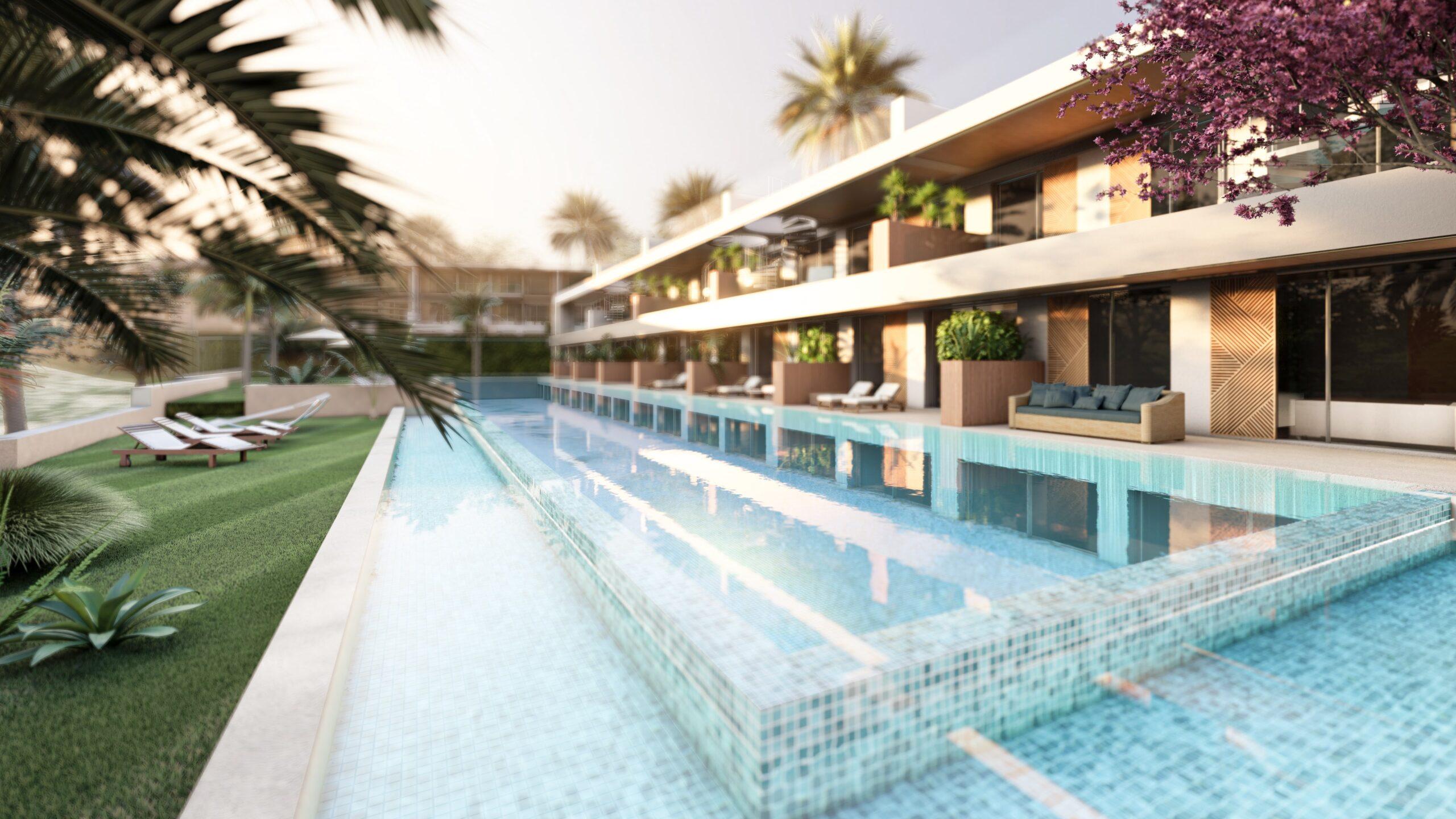
Apartment
La Cerquilla · Marbella
New-Build 3-Bed Apartment in La Cerquilla, Marbella
€860,000
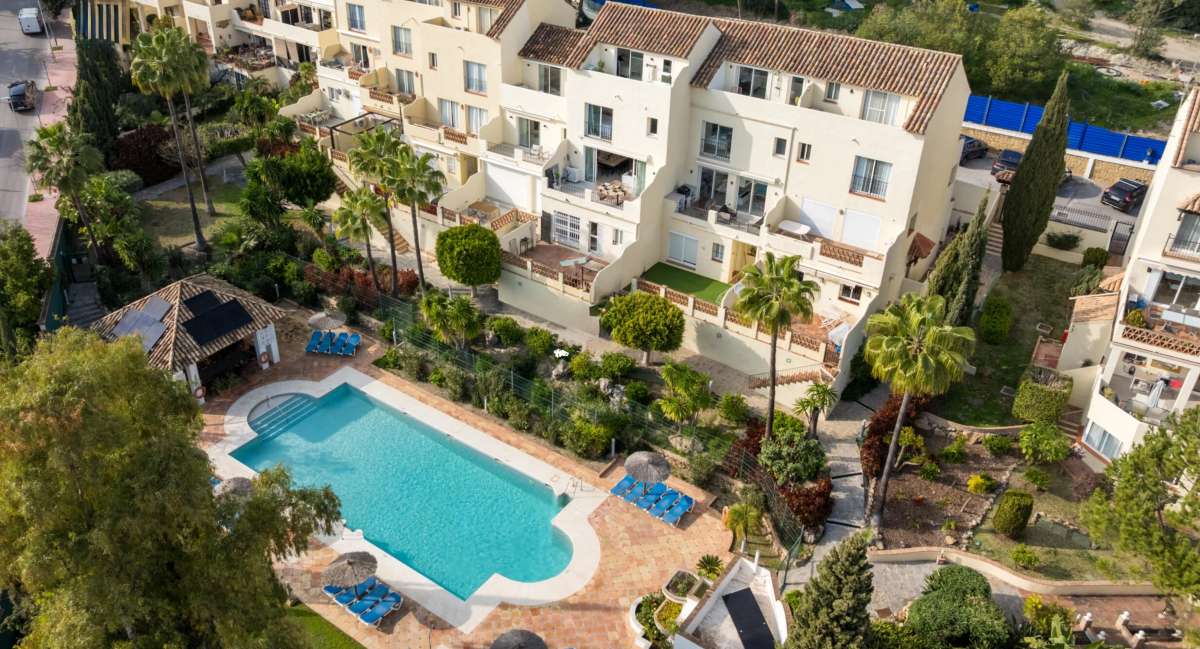
Townhouse
Nueva Andalucia · Marbella centre
Frontline Beach 3-Bed Townhouse in Nueva Andalucia, Marbella centre
€850,000
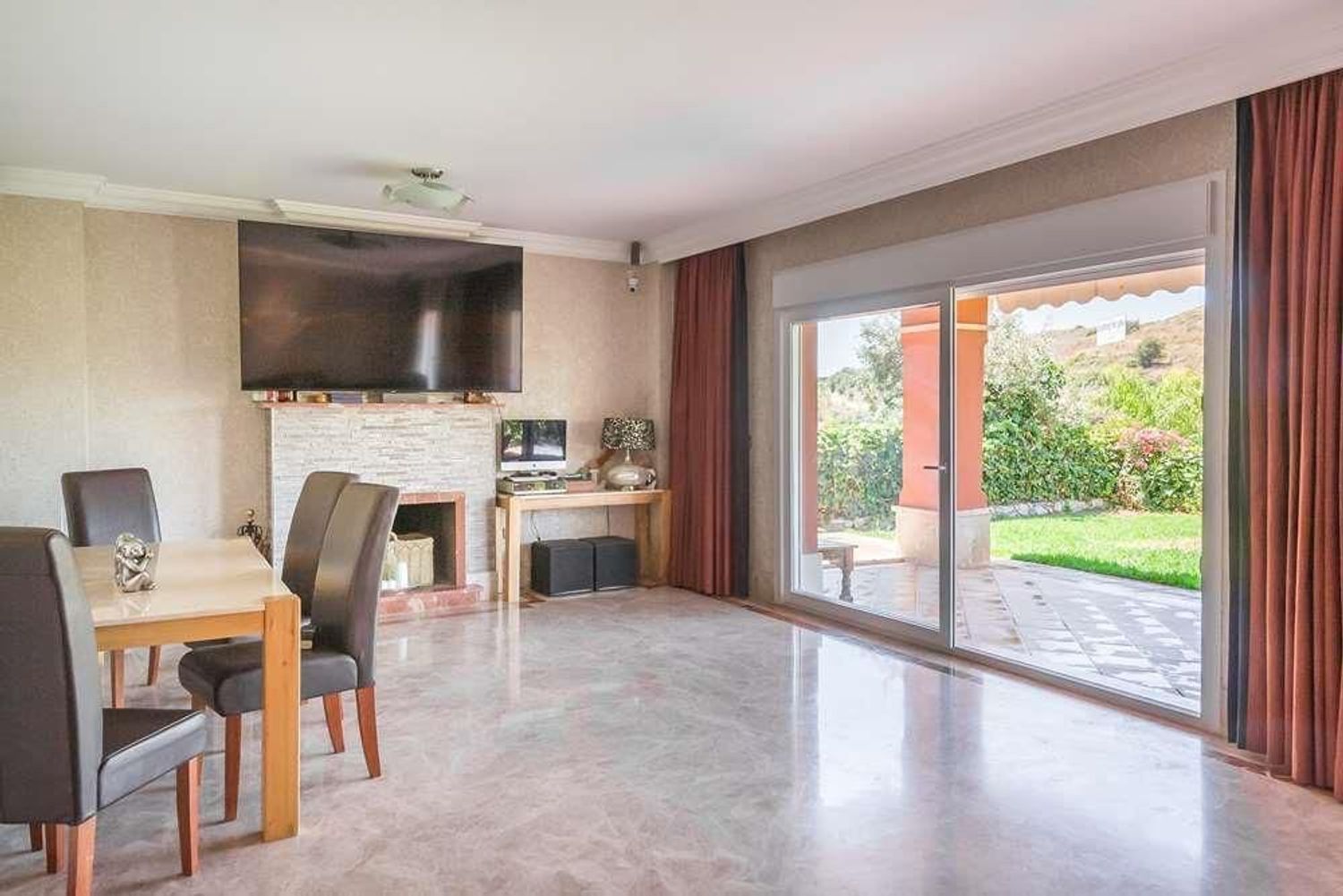
Villa
Los Monteros · Marbella
3-Bed Villa in Los Monteros, Marbella
€1,000,000
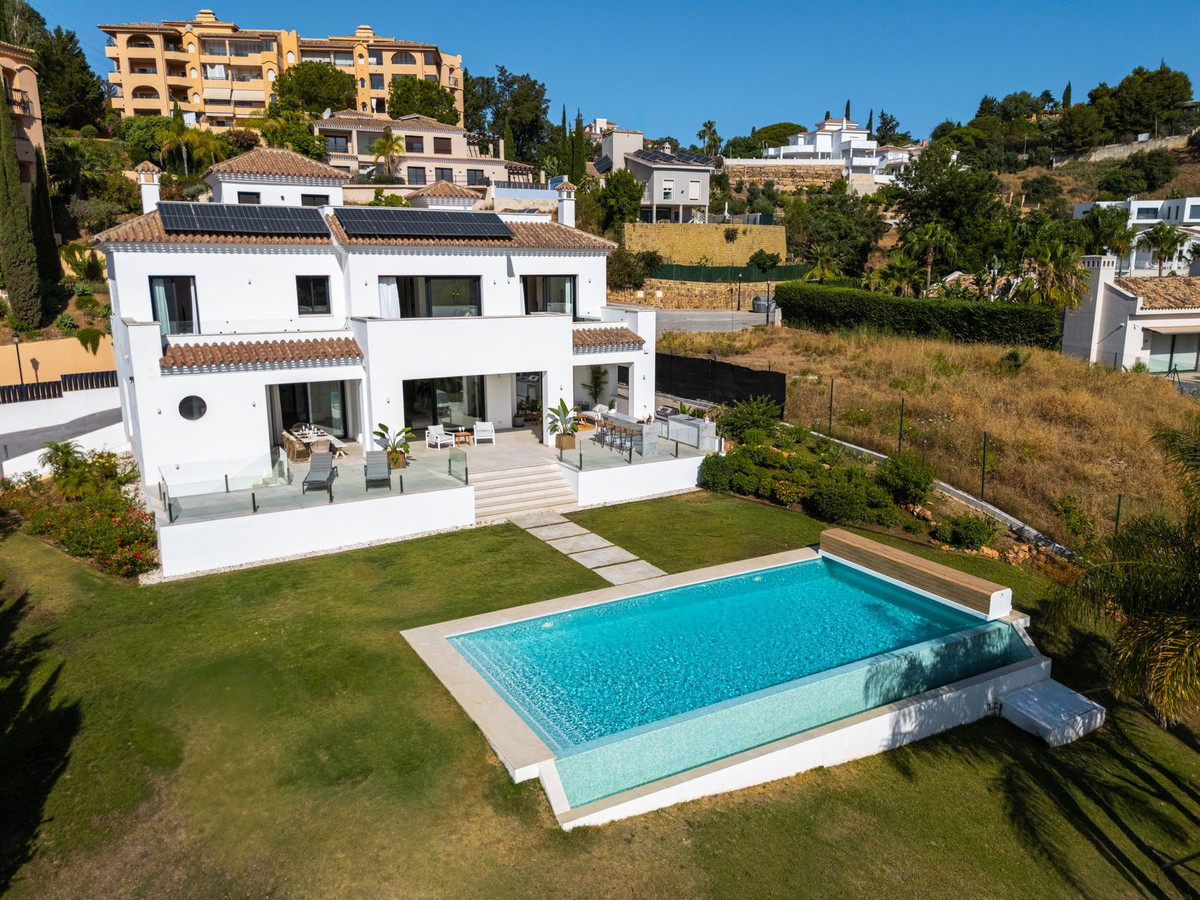
Villa
Elviria · Elviria
Frontline Beach 5-Bed Villa in Elviria
€2,999,000
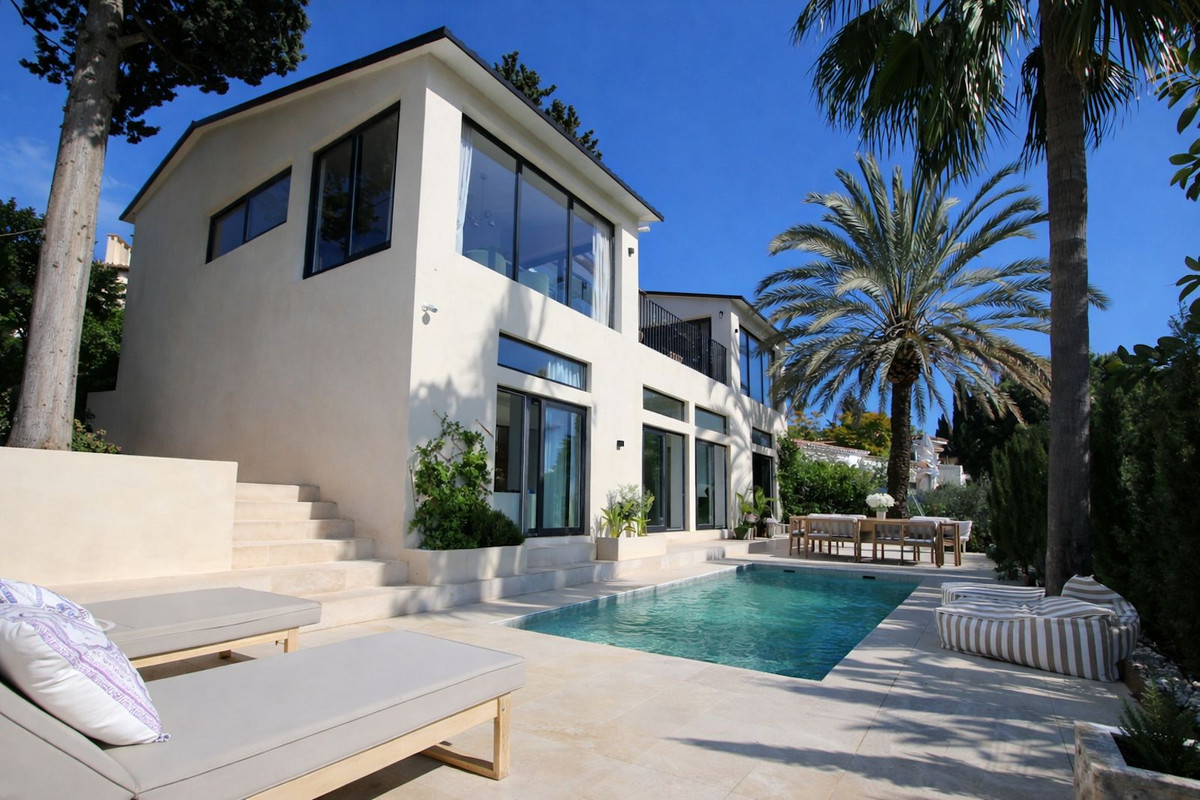
Villa
Elviria · Elviria
4-Bed Villa in Elviria
€1,100,000
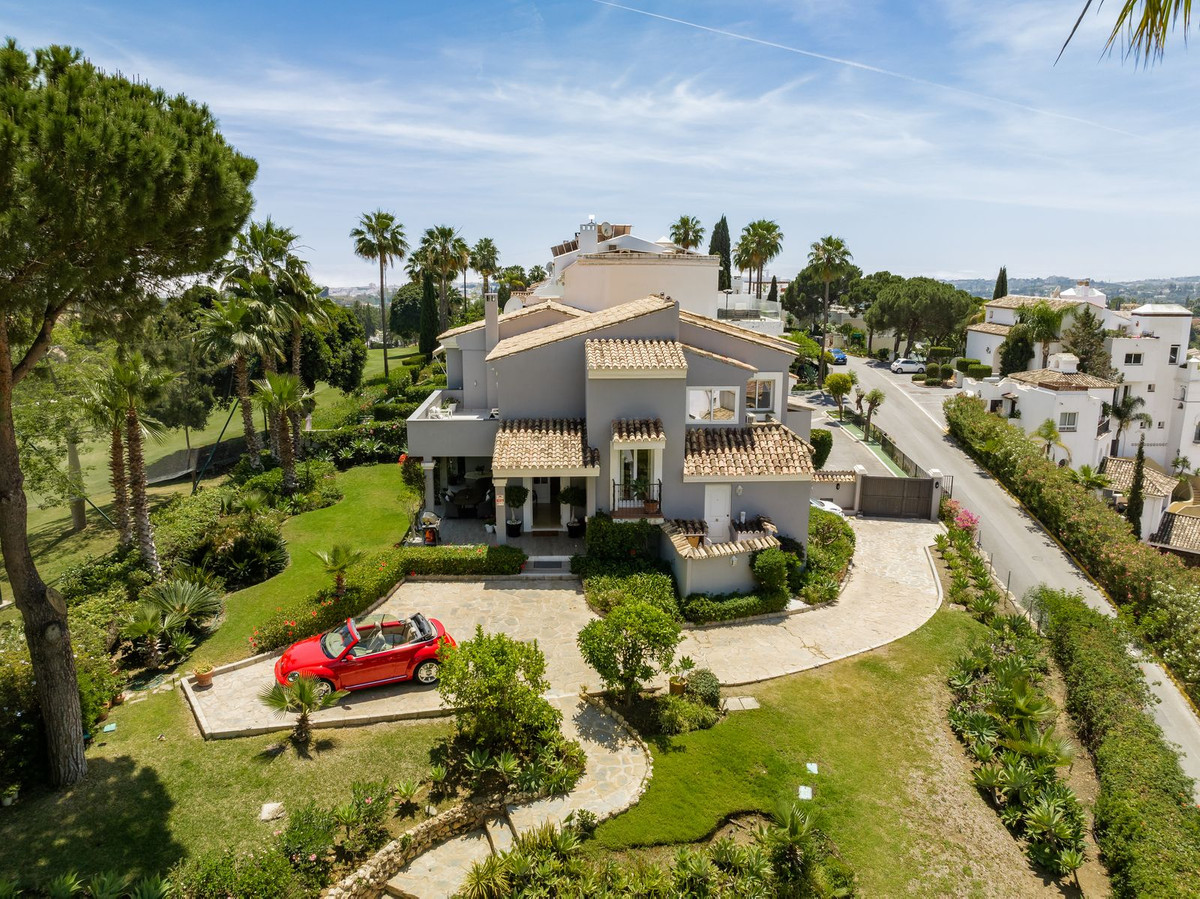
Villa
La Quinta · Marbella
5-Bed Villa in La Quinta, Marbella
€1,999,000
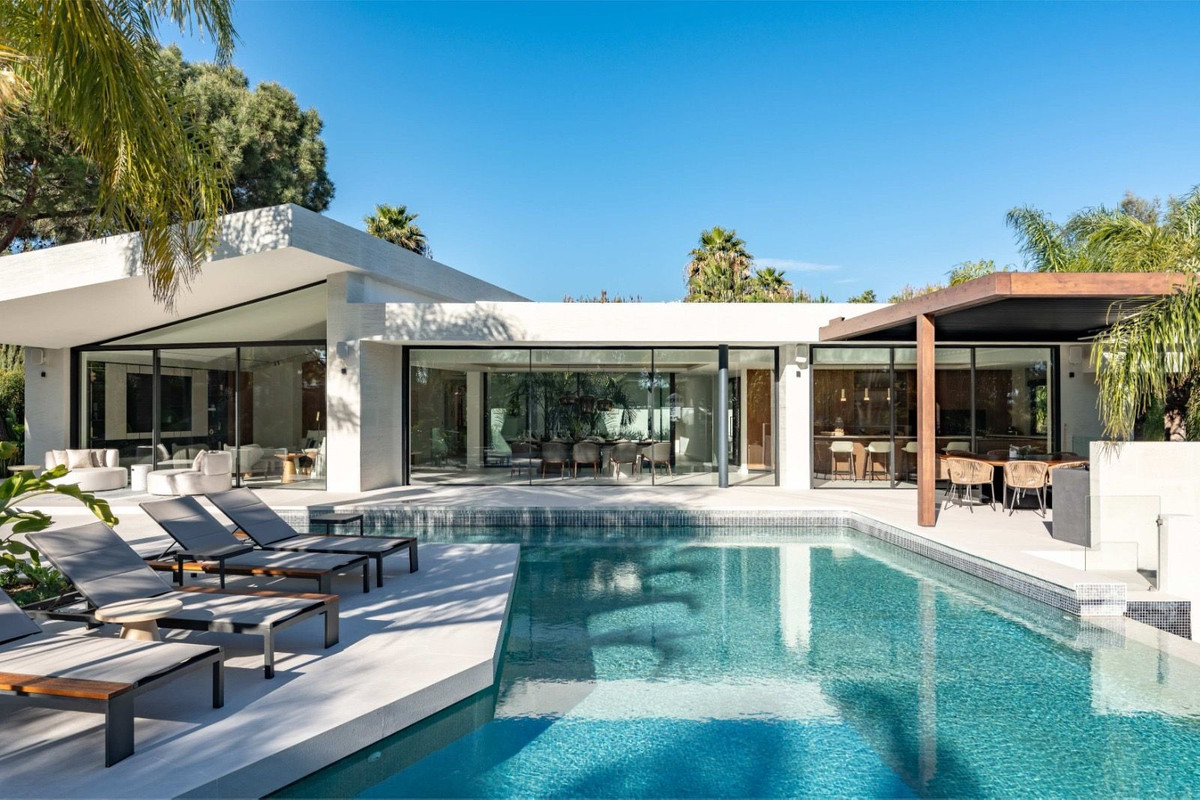
Villa
Hacienda Las Chapas · Hacienda Las Chapas
5-Bed Villa in Hacienda Las Chapas
€5,875,000
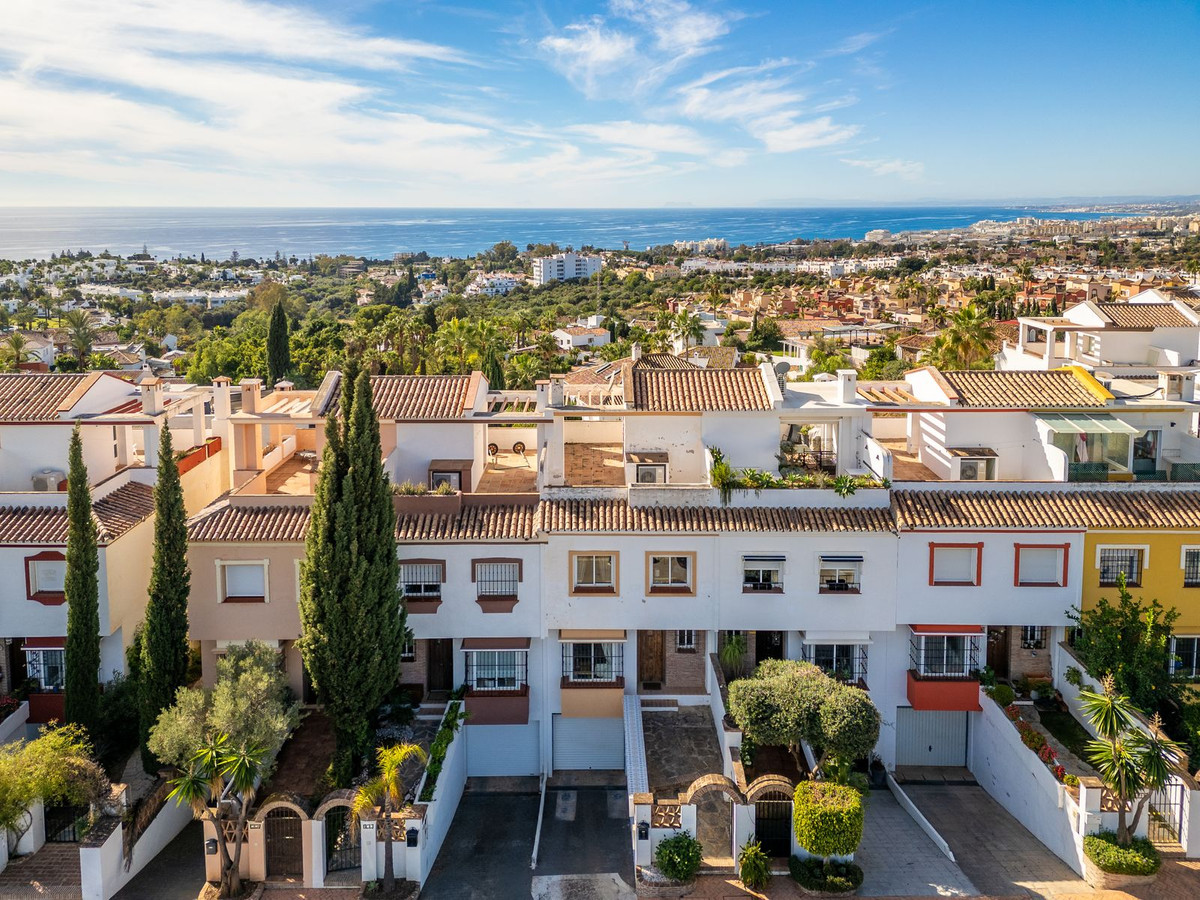
Townhouse
Marbella · Marbella
3-Bed Townhouse in Marbella
€889,000
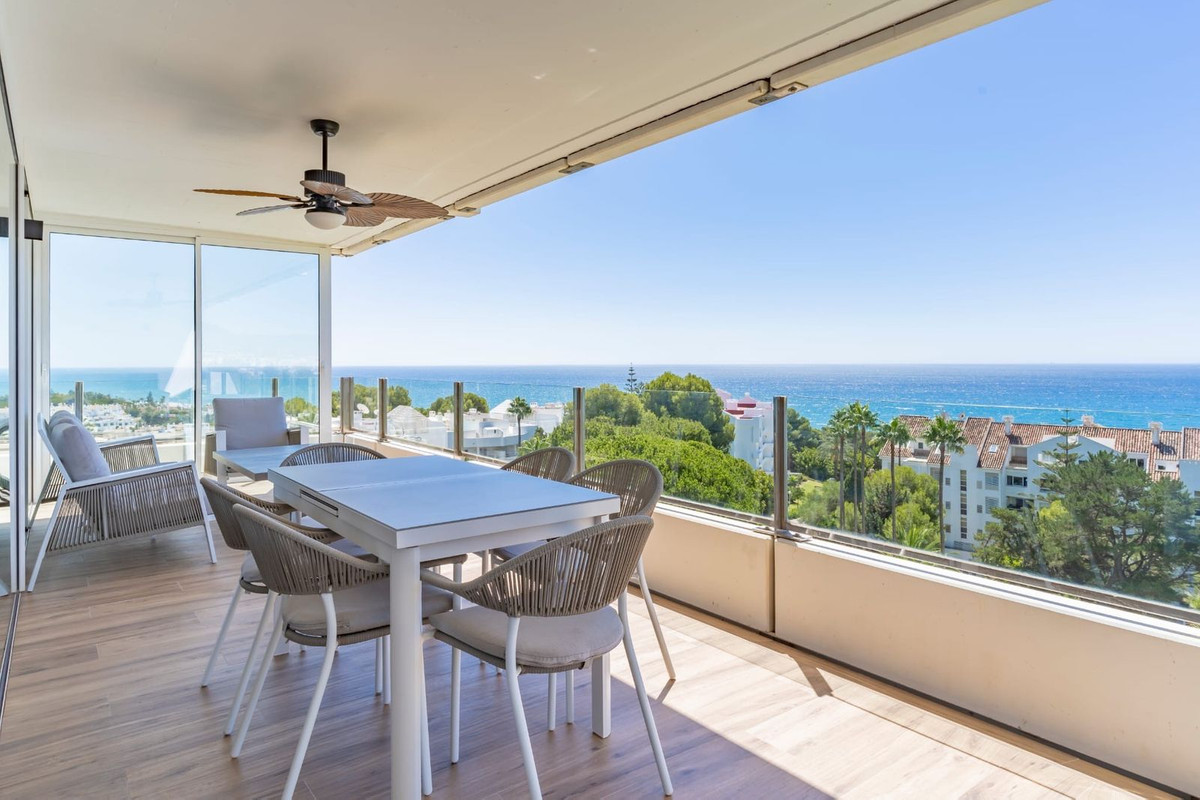
Apartment
Rio Real Golf · Rio Real Golf
3-Bed Apartment in Rio Real Golf
€949,000
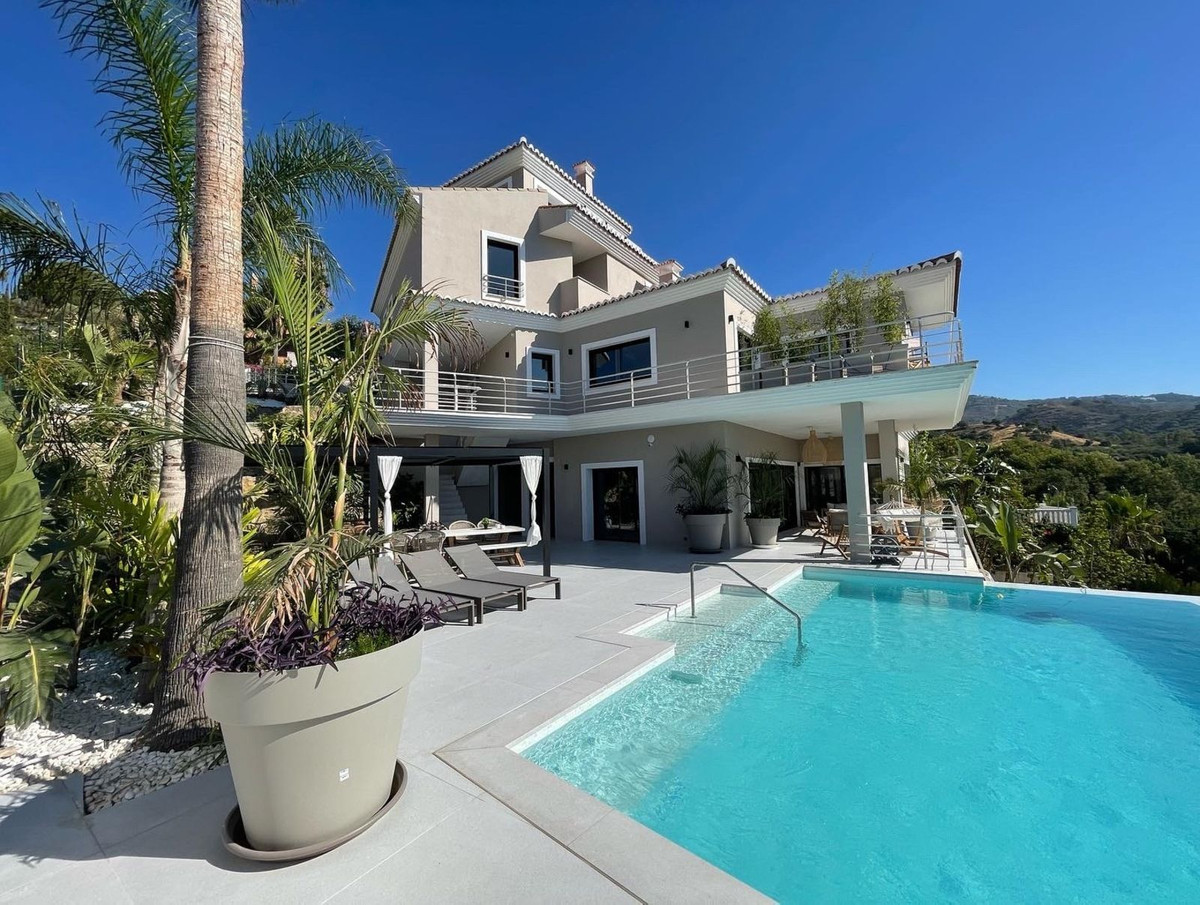
Villa
Elviria · Elviria
7-Bed Villa in Elviria
€3,790,000
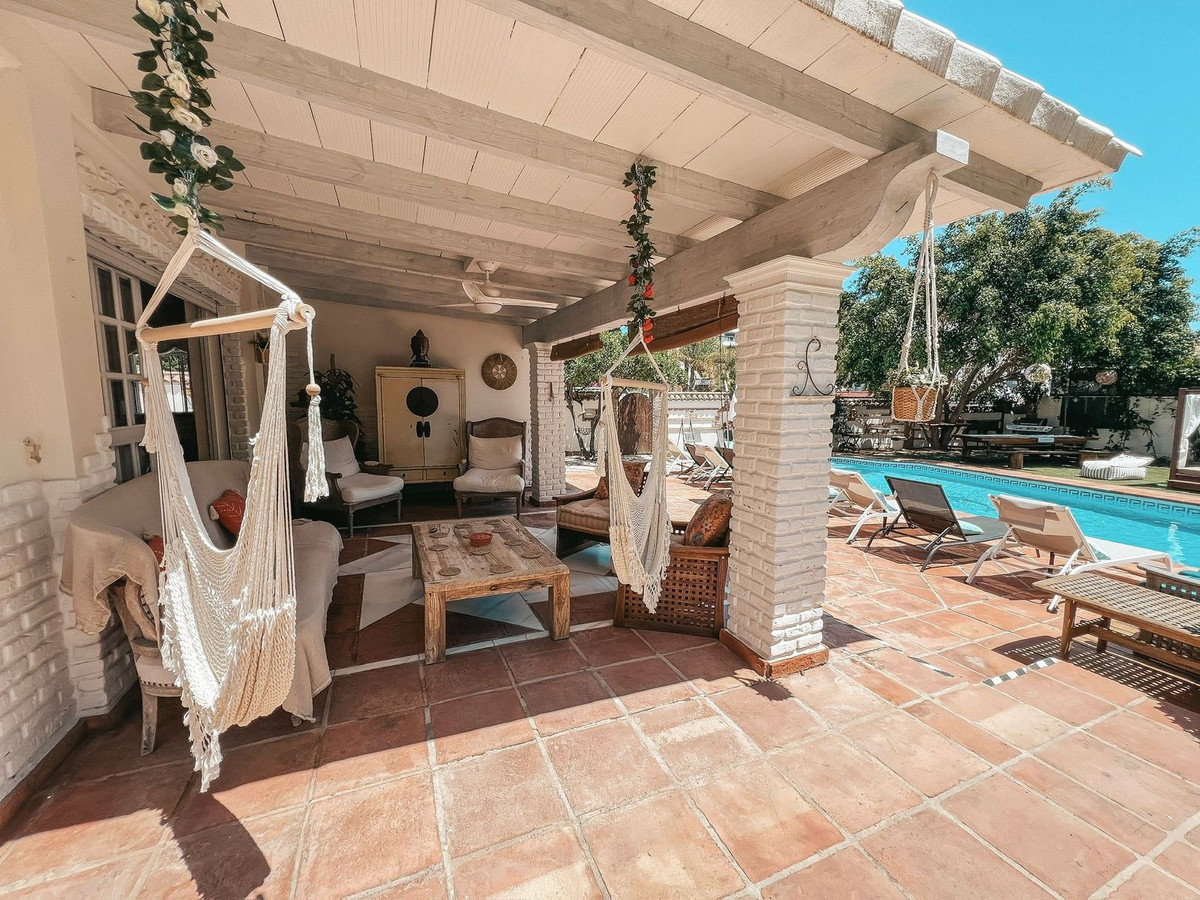
Villa
Nueva Andalucia · Marbella
Modern 5-Bed Villa in Nueva Andalucia, Marbella
€1,600,000
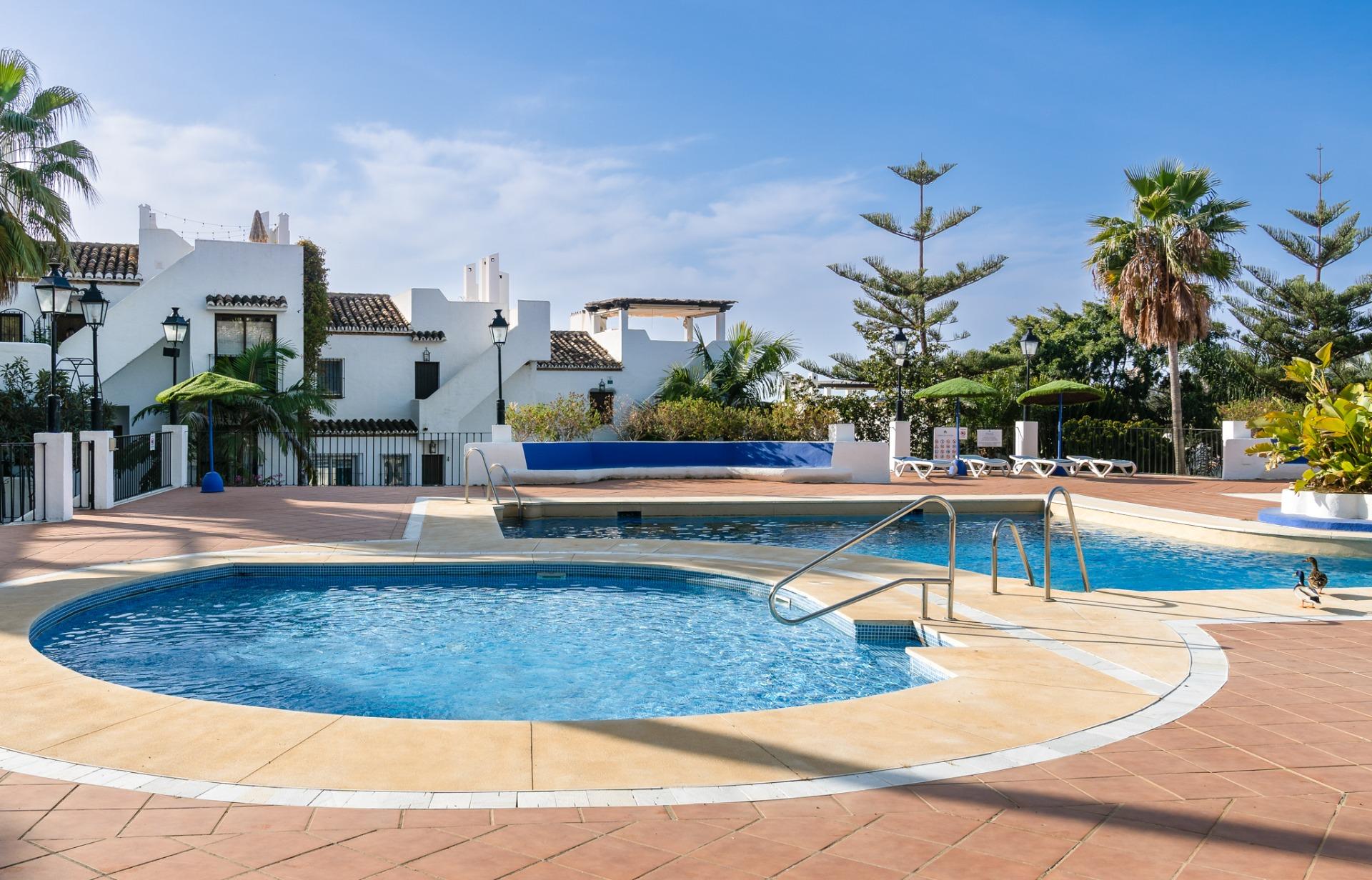
Townhouse
Golden Mile · Marbella
4-Bed Townhouse in Golden Mile, Marbella
€1,899,000
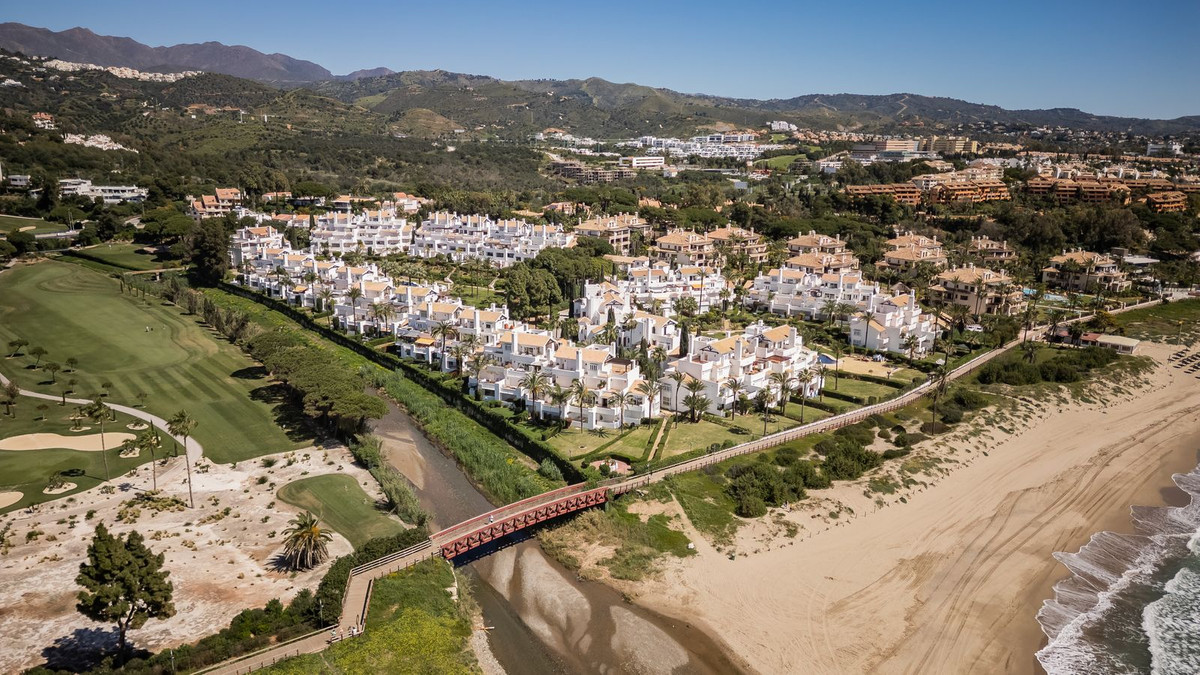
Apartment
Golden Mile · Marbella
Frontline Beach 3-Bed Apartment in Golden Mile, Marbella
€2,250,000
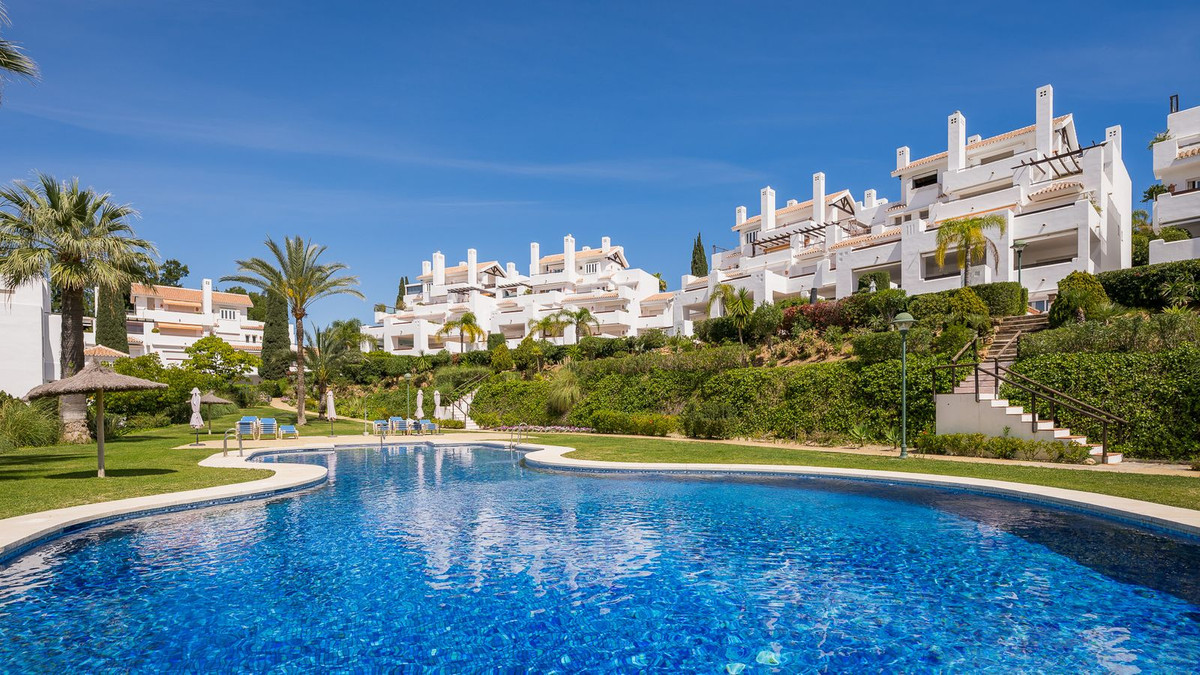
Apartment
Golden Mile · Marbella
Frontline Beach 3-Bed Apartment in Golden Mile, Marbella
€2,450,000
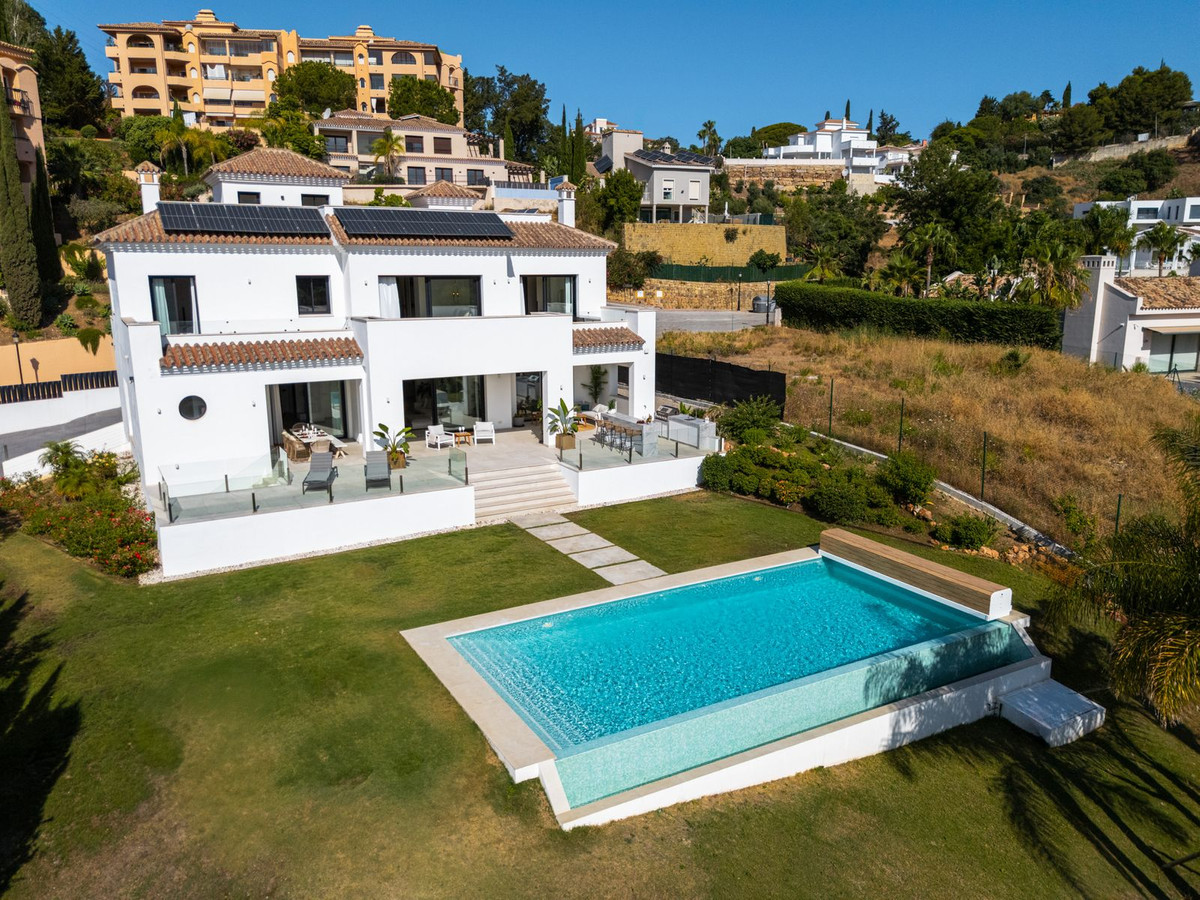
Villa
Elviria · Elviria
5-Bed Villa in Elviria
€3,200,000
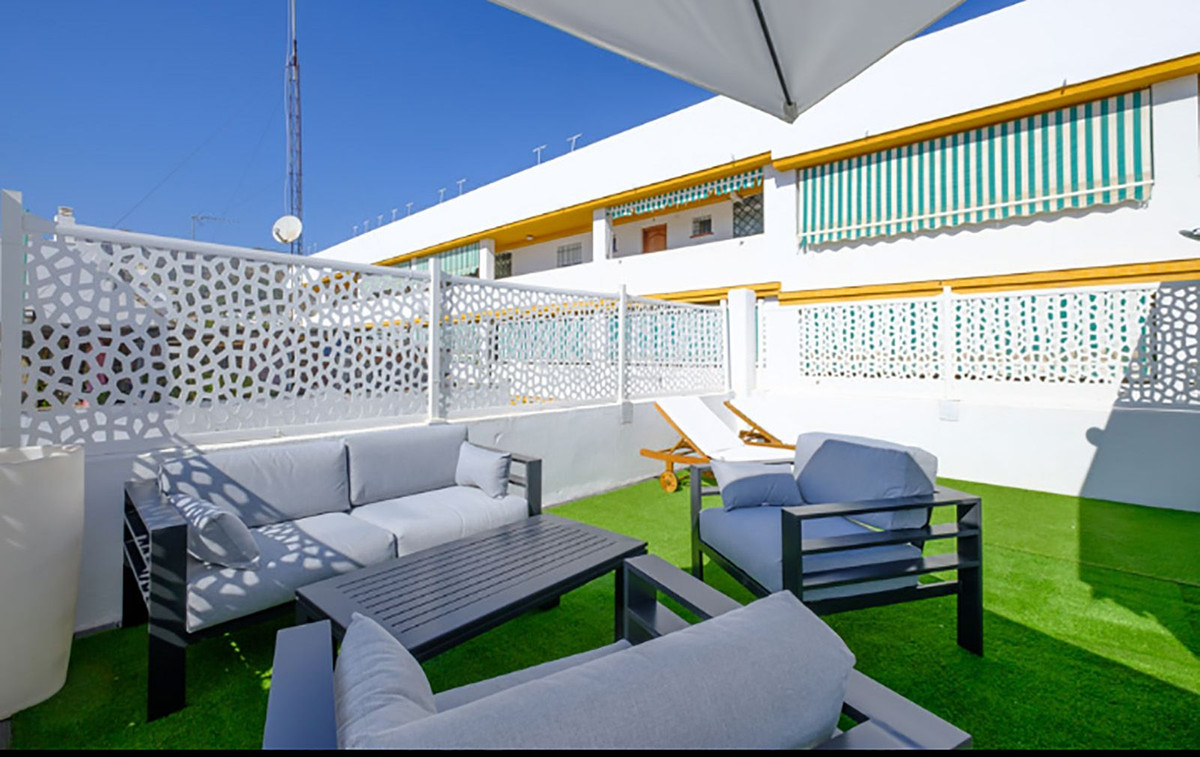
Townhouse
Marbella · Marbella
6-Bed Townhouse in Marbella
€1,250,000
Frequently asked
Common questions about Marbella.
- Current asking prices in our Marbella book range from €850,000 to €5,875,000. The average transaction price for luxury property in Marbella proper sits between one and a half and four million euros, though beachfront villas and old-town penthouses regularly exceed ten million. We benchmark every property against recent comparable completions at the notary — not portal estimates — to ensure our clients never overpay.
Keep exploring
Related pages.
Interested in Marbella?
Let us build your shortlist.
Tell us the brief — budget, bedrooms, beachfront or hillside, year-round or lock-and-leave — and we will reply the same day with a shortlist of properties in Marbella worth flying out to see.